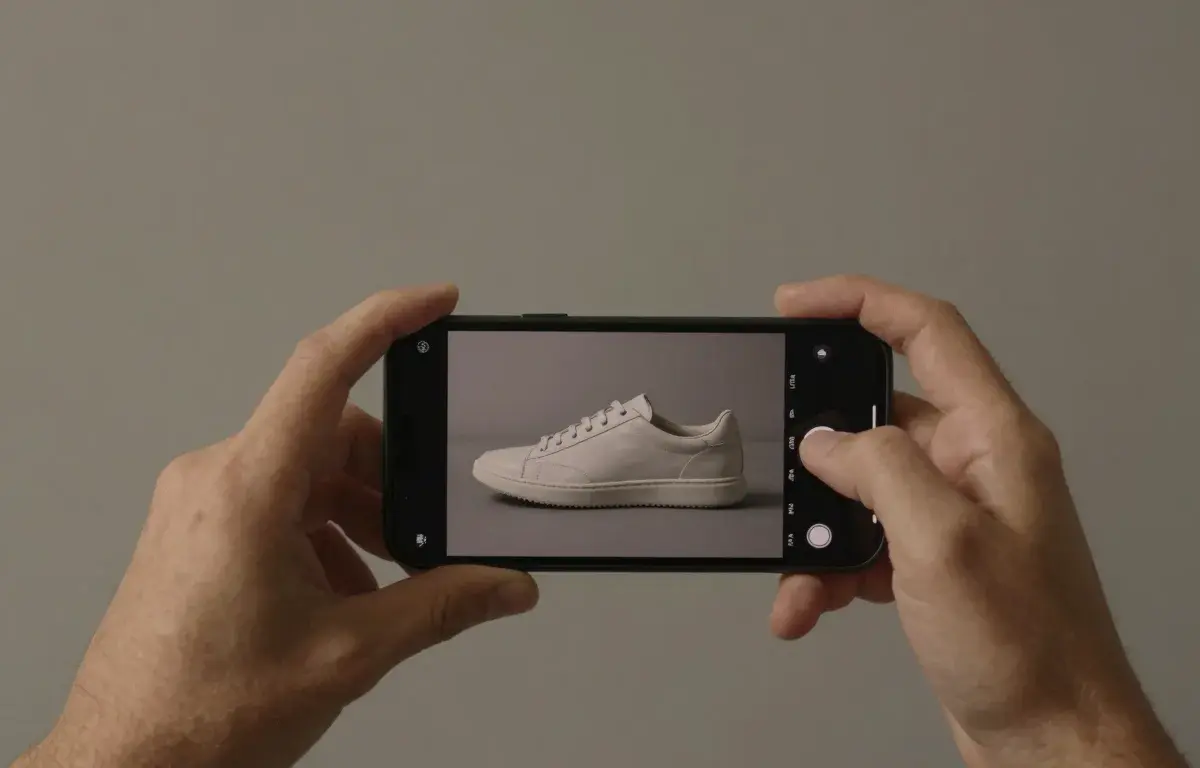
A legit check is a quick assessment of whether an item is genuine or counterfeit, usually made from photographs and based on the specific details counterfeiters get wrong. The term comes out of sneaker and streetwear communities, where people would post photos and ask others to “legit check” a pair before buying. It is an opinion, not a certificate, and that distinction is the whole point of this page.
Where the term comes from
The phrase grew out of forums and resale communities in the sneaker world. Someone about to buy a pair secondhand would post close-ups of the box label, the stitching and the insole and write “legit check?” The replies were unpaid opinions from people who had handled enough pairs to know the tells.
It spread from sneakers to streetwear, then to bags, watches, fragrance and electronics, because the same buying situation exists everywhere: a secondhand listing, photos of unknown provenance, and a decision to make before the money moves.
The word “legit” doing the work here is important. Nobody was claiming to certify anything. They were asking whether a piece looked right.
What a legit check actually examines
Whoever or whatever performs it, a legit check works the same way: compare the item against how genuine production is known to look, and find the places where it diverges.
Branding and typography. Letter spacing, font weight, logo geometry. Counterfeiters get the shape approximately right and the fine proportions wrong, which is why this is usually checked first.
Construction. Stitch density and straightness, how panels meet, glue residue, the finish on edges. Factories producing fakes work faster and cheaper, and it shows here.
Materials and hardware. The weight and grain of leather, the finish on zippers and buttons, whether engraving is crisp or shallow.
Codes and labels. Serial numbers, date and batch codes, care labels, country-of-origin lines. The format matters as much as the presence: a code in the wrong format for the production period is a strong signal.
Context. Seller history, price against the real market, where the listing came from. Not a property of the item, but often the detail that settles it.
What a legit check is not
This is where people get into trouble, so it is worth being blunt.
It is not a certificate of authenticity. A certificate is a formal document issued by a recognised authenticator or the brand, and it carries weight in a dispute or a resale. A legit check carries none.
It is not an appraisal. Authenticity and value are separate questions. A genuine item in poor condition can be worth very little; establishing that something is real says nothing about what it is worth.
It is not proof in either direction. A pass means nothing visible failed. It does not mean the item is genuine, because photographs cannot show weight, smell, or what is sealed inside.
Four ways a legit check gets done
Community. Post photos, collect opinions. Free and sometimes excellent, but the quality depends entirely on who happens to answer, and confident wrong answers are common.
Yourself. Work through the checks in order against reference photos of the genuine article. Slower, but you learn the tells and keep the skill.
A paid human authenticator. A trained specialist reviews your photos and issues a considered verdict, often with a certificate. The most reliable route, at a cost per item and a wait of hours.
An app. AI inspects the photo and returns a read in seconds. Fast and cheap, limited to what the camera captured. Our own Legit Check (Legitly) is one of these, and like all of them it is a pre-check rather than a final answer.
How to read the result you get
Whatever the source, a legit check produces one of three useful outcomes, and treating them correctly matters more than the check itself.
Clear fail. One or more details are definitively wrong. This is the outcome legit checks are genuinely good at, and it is reliable. Walk away.
Inconclusive. Nothing is obviously wrong but something could not be judged from the photos. Get better photographs of the specific detail in question, or escalate.
Clean pass. Everything visible looks correct. Treat this as permission to proceed with normal caution, not as a guarantee. On anything expensive, a clean pass is the point at which paying a human authenticator starts to make sense.
If you want the actual procedure rather than the definition, our guide to authenticating anything runs through the checks in the order to do them, and the online legit check guide covers what you can verify from a listing before you ever hold the item.
Legitly offers AI-assisted guidance, not guaranteed authentication. For high-value purchases, confirm with a professional authenticator.