The fastest way to spot fake Calvin Klein is to read the waistband. Genuine CK prints the logo with even spacing and a consistent font weight, while fakes almost always get the lettering slightly wrong. From there you check the neck tags, the stitching, and the fabric. None of it needs special tools, just a careful eye and about two minutes.
The waistband is where most fakes fall apart
Calvin Klein built its name on the waistband, so that is where counterfeiters put the most effort and still miss. In my years checking listings, the logo band is the single fastest tell on underwear and boxers.
Look at the letter spacing first. On a real pair the words “Calvin Klein” sit evenly, with balanced gaps between each letter. Fakes crowd the letters together or stretch them apart, and the thin strokes often look too heavy or too faint.
Check the print quality up close. Authentic printing is crisp with clean edges. Counterfeits show fuzzy edges, tiny ink dots, or a slightly raised rubbery feel where the logo should be flat and woven into the band.
Then stretch the band gently. Real CK elastic snaps back and holds its shape. Cheap copies ripple, curl at the edges, or feel loose after a single pull.
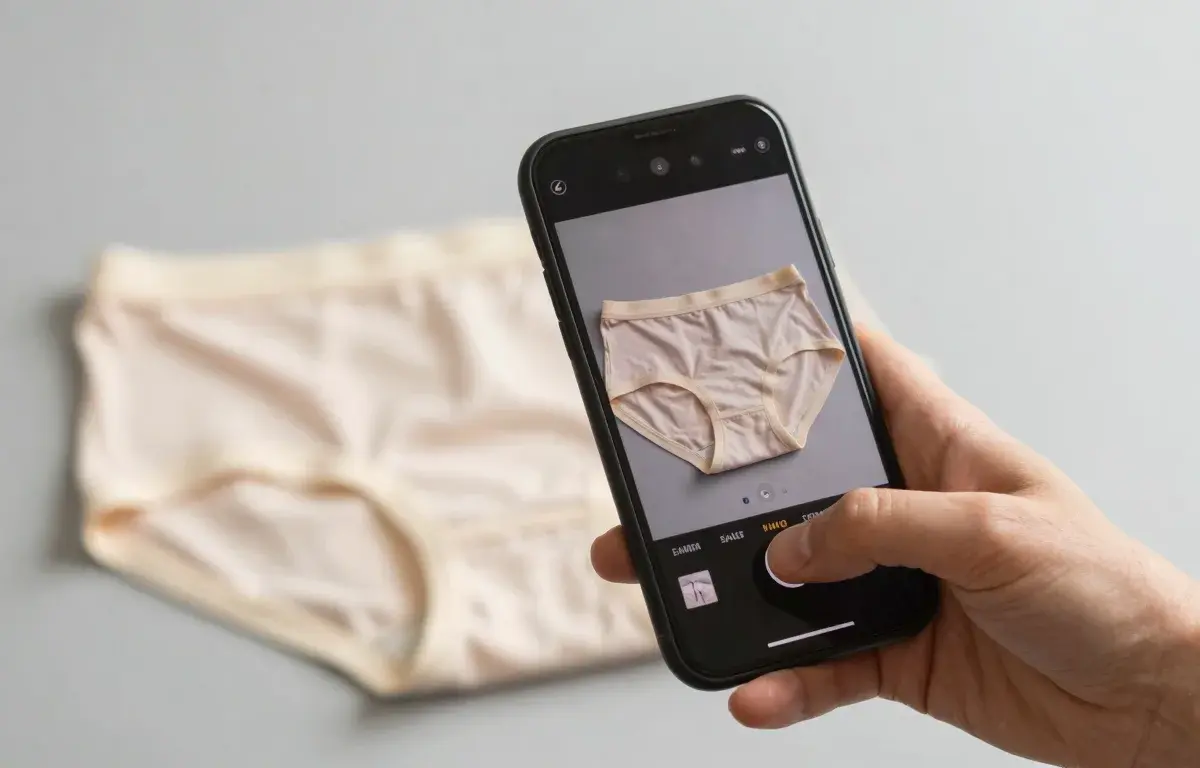
The waistband font is hard to judge from a single seller photo, which is exactly the kind of detail Legit Check is built to read. Photograph the band and it compares the spacing and print against known-good references in seconds, then hands you a reasoned reading.
Neck tags, wash labels, and the RN number
Tags tell you almost as much as the waistband. Calvin Klein uses clean, consistent labeling, and fakes rarely match it across every tag at once.
Start with the main brand tag. The font should be sharp and centered, stitched in straight with no loose threads. Fakes sew tags in crooked, use a slightly wrong typeface, or leave frayed edges around the label.
Find the RN number on the care label. RN stands for Registered Identification Number, and Calvin Klein’s is registered with the US FTC. A missing RN, or one that traces back to a different company, is a red flag. You can look an RN up in the FTC public database to see who it belongs to.
Read the wash symbols and the “Made in” country. On real pieces the printing is legible and the country matches the packaging. Counterfeits smudge the symbols or contradict themselves, with the label naming one country and the box another.
If you buy a lot of logo apparel, this tag-and-label logic carries across brands, which is why our streetwear authentication guides all start with the labels.
Stitching and construction quality
Calvin Klein is mass produced, but it is still made to a standard. Sloppy construction is one of the clearest signs you are holding a copy.
Run your eye along the seams. Genuine stitching is even, tight, and consistent, with the same stitch density throughout. Fakes show wavy seam lines, skipped stitches, and threads left hanging.
Check the flatlock seams on underwear and tees. Real CK uses flat, comfortable seams that lie smooth against the skin. Cheap copies use bulky overlocked seams that pucker or twist after a wash.
Look at how the logo band joins the fabric. On authentic pieces the attachment is clean and flat. Counterfeits bunch the fabric at the seam or leave visible glue residue.
Photograph the item and Legit Check runs these same checks in seconds, returning a confidence score and the reasoning behind it.
Fabric weight and feel
Fabric is hard to fake because good cotton costs money. This is where a lot of convincing-looking copies give themselves away the moment you touch them.
Feel the weight. Calvin Klein cotton and modal blends have a substantial, soft hand. Fakes feel thin, papery, or slightly rough, and they often look see-through when held up to light.
Check the stretch and recovery. Real fabric stretches smoothly and returns to shape. Counterfeit blends sag, stay stretched, or feel plasticky from cheap synthetics mixed in.
Smell it, oddly enough. New authentic cotton smells like fabric. A strong chemical or plastic smell usually points to low-grade dyes and materials chosen to cut cost.
Fabric is the one signal you cannot judge from a photo at all, so when buying online you lean harder on the tags, packaging, and seller. Once it arrives, a quick Legit Check scan plus this hand test gives you a fast read before you decide to keep it or send it back.
Packaging, style numbers, and barcodes
If your Calvin Klein came in retail packaging, that box or sleeve carries several more tells.
Inspect the print on the box. Authentic packaging uses sharp graphics and correct logo proportions. Fakes print washed-out colors, wrong fonts, or a logo sized slightly off.
Match the style number. The number on the packaging should match the number on the garment label. A mismatch, or a style number that does not exist on the official site, is a strong counterfeit sign.
Scan the barcode. A real barcode pulls up a Calvin Klein product. Fake barcodes fail to scan or return an unrelated item.
Cross-check the official source. You can compare product names, colors, and style numbers directly on calvinklein.com to confirm the item actually exists as sold.
The seller and the price tell you a lot
Before the item even ships, the listing itself is evidence. Most fakes are sold the same handful of ways.
Watch the price. Calvin Klein runs real sales, but a multipack of boxers at a fraction of retail is almost never genuine. If the deal only makes sense when the product is fake, trust that math.
Read the seller. Bulk listings with hundreds of identical items, brand-new accounts, and stock photos instead of real ones are classic counterfeit patterns. Genuine resellers show actual photos of the actual item, tags included.
Check where you are buying. Authorized retailers and Calvin Klein directly are safest. Open marketplaces and unfamiliar overseas shops carry the most risk.
Ask for tag and waistband photos before you pay. A seller who refuses is telling you something. The same seller-vetting habits apply across brands, which is why our Off-White real vs fake guide leans on the same red flags.
None of these checks is proof on its own. Stacked together they get you close, and for anything expensive a professional authenticator is still the safest call.
Frequently asked questions
Legitly offers AI-assisted guidance, not guaranteed authentication. For high-value purchases, confirm with a professional authenticator.